

On March 27, for the sixth year in a row, Energynomics brought together key energy stakeholders to analyze trends and make predictions on the main challenges and benefits that can be expected in the energy sector.
Energy sector options for 2019
Developments in the energy sector are taking place in a rather tumultuous dynamic, both of internal tax changes and in a context of political and commercial uncertainty. The adaptation of Romanian and foreign companies that want to invest in energy is affected by a series of current events – from Brexit to tensions between the US and China or the conflict between Russia and Ukraine – and information remains essential in the strategic orientation. Locally, companies active in the energy sector seem to be constrained by legislative regulations towards radical changes and readjustment of operational and commercial plans. Varinia Radu, Founding Partner Energynomics, believes that all options are on the table for the current year, from survival to adaptation of the energy sector: “It is all the more important that local companies and foreign companies try to discover together more and earlier about the direction in which Romania is heading. To find out all this from well-informed experts and to exchange opinions with colleagues who have already tested the Romanian specificity is a privilege.”
Investment in the energy sector is key
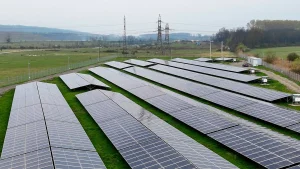
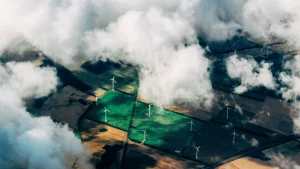
Elena Popescu, Director General at the Ministry of Energy, presented to the participants of the Spring Cocktail 2019 what are the government’s priorities for increasing the renewable energy base and supported the importance of coal for energy security, both in Romania and in the rest of the EU countries. The share of renewable energy of 27.9% for 2030, proposed by Romania in Brussels, was received with disappointment, said Elena Popescu. However, the predictions show an increase in electricity demand: “In real terms,” Elena Popescu said, “we anticipate that in 2030 we will have additional capacities of over 4,000 MW in wind and more than 3,000 MW in the photovoltaic segment.” (source: Energynomics)
In the coming years, renewable resources remain to cover the extra demand, but coal will continue to meet immediate needs at least for the next decade. Giving the example of Germany, which plans to give up coal in 2035, Elena Popescu argued in conclusion that this resource remains essential and should be seen not as a matter of energy security, but as a social problem.
Who benefits from investments in the energy sector
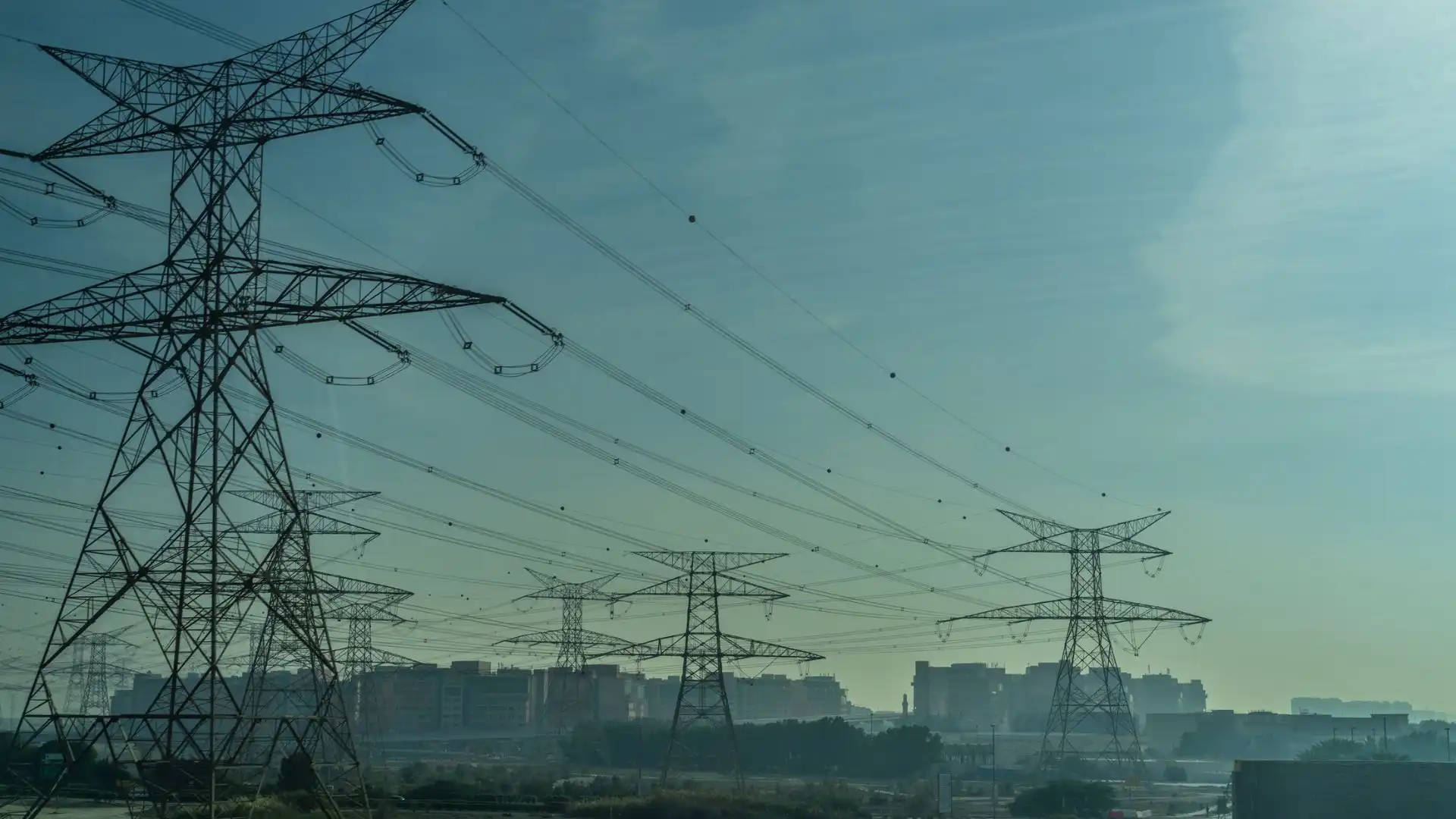
Corneliu Bodea, CEO of Adrem and president of the Romanian Energy Center (CRE), an entrepreneur in the energy field, was among the speakers who analyzed the evolution of the energy sector. Expressing his optimism about the developments that Romania can expect in the future in this field, Corneliu Bodea emphasized the importance of market calculations and analyses, but also of intelligent systems and distribution networks in energy production: “The new legislative regulations regarding the transmission and distribution of energy are a good and expected signal… whether we will generate energy from gas or photovoltaic panels, we will need smart grids for transport and consumption.”
In terms of investments, in the view of entrepreneur Corneliu Bodea, we need investments in energy regardless of whether it is gas or renewable energy. Everyone in the energy sector will benefit from these investments, and, in a first stage, Romania will have to modernize and replace obsolete installations in the coal industry: “For Romania, in 2020, we must keep the coal generation capacity as it is today… over time, these installations will have to be rethought, modernized and replaced with new ones, otherwise we will not be able to meet the needs of consumers.”
“Spring Cocktail 2019: A New Perspective – Energy Year’s Forecasts” is part of a series of concept events that Energynomics organizes annually. At each edition, Adrem is alongside other leaders in the energy field with the aim of capitalizing on the potential of our companies for energy efficiency and sustainable development.