Article published on agerpres.ro
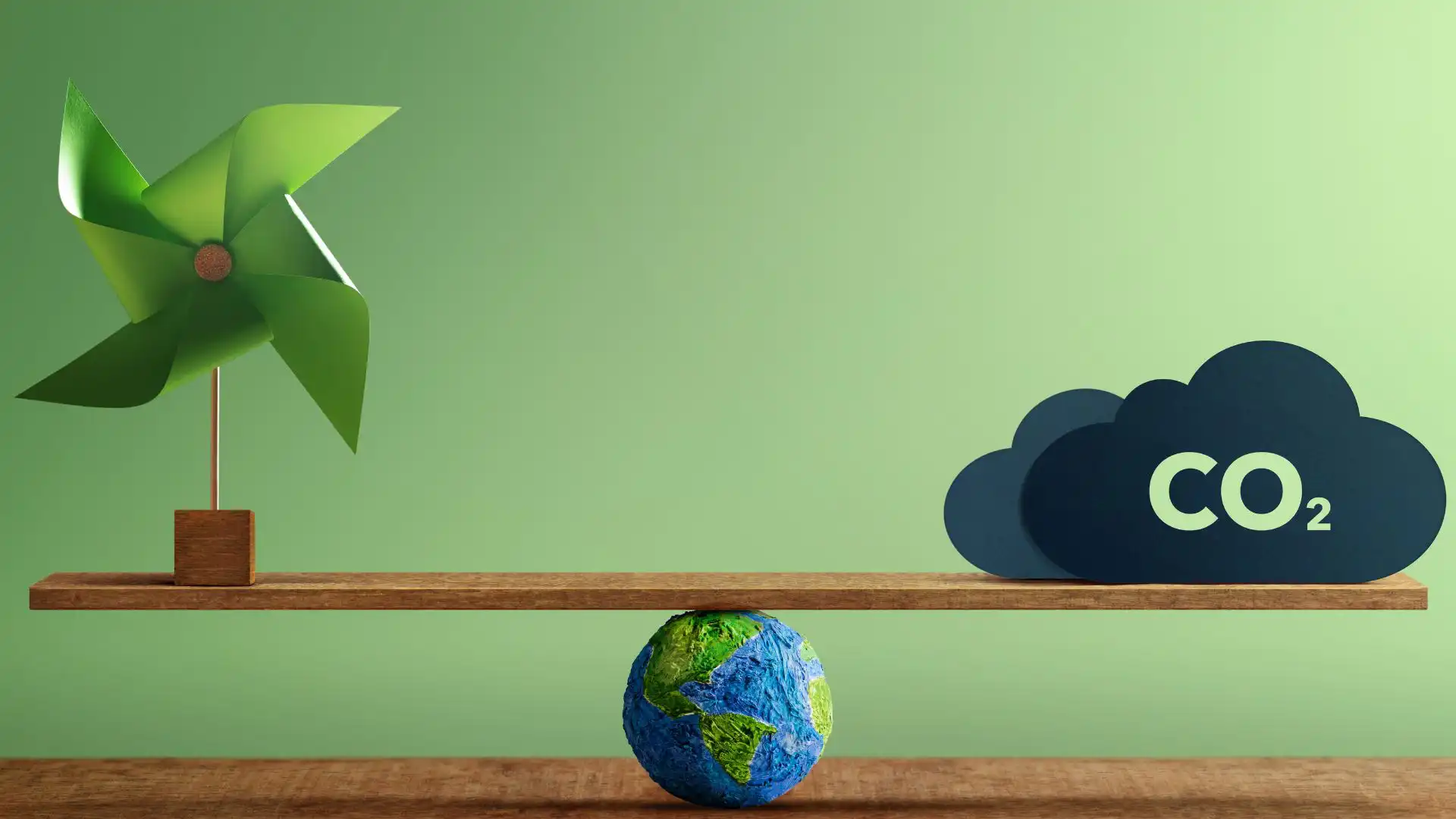
“Energy is not a human invention and is part of the basic fiber of the universe, people have been trying since ancient times to domesticate it for their own benefit. In the first stage of industrial development, the basic resources for energy production were fossil fuels (coal, oil and later gas). It took more than 30 years to understand the effect that the result of the use of these resources has on the environment, by releasing carbon in the form of CO or CO2. Global warming has thus become the main concern of energy specialists. The attention paid to renewable resources such as wind, sun, wave or even hydrogen energy dates back to the beginning of the twentieth century. For reference alone, in 2019 the world’s primary energy consumption was represented as follows: 27% of coal, 24% of gas, 33% of oil, 4% of nuclear and 12% of renewables, of which 7% represented by hydropower. Also in order to understand the pressure that the use of energy sources has on the environment, it is necessary to take into account the evolution of total energy consumption between the ’60s – about 40,000 TWh and the 2020s – about 160,000 TWh, i.e. a 400% increase in primary consumption. Corroborating the data on the sources, we understand why the impact on the environment is a real problem” says Mr. Corneliu Bodea, CEO of Adrem
…
Whether we are talking about wind or solar energy, the coupling (mandatory when we talk about electricity) between consumption and production makes it difficult to use them for a value that exceeds a maximum of 20-30% of the total consumption. This reality has turned the subject of energy storage into the “star” of the field
It is difficult and painful to accept the increase in energy prices in order to allow the adoption of as many renewable sources as possible, all the more so as there are poor areas (only 50% of Africa’s population has access to electricity) where energy costs represent a very high percentage of the family budget. It is a measure of social responsibility to contribute to the energy-climate equation, and the pro-energy efficiency attitude is the most commendable, knowing that the most valuable energy is the one saved from consumption.
Read the full article on agerpres.ro