

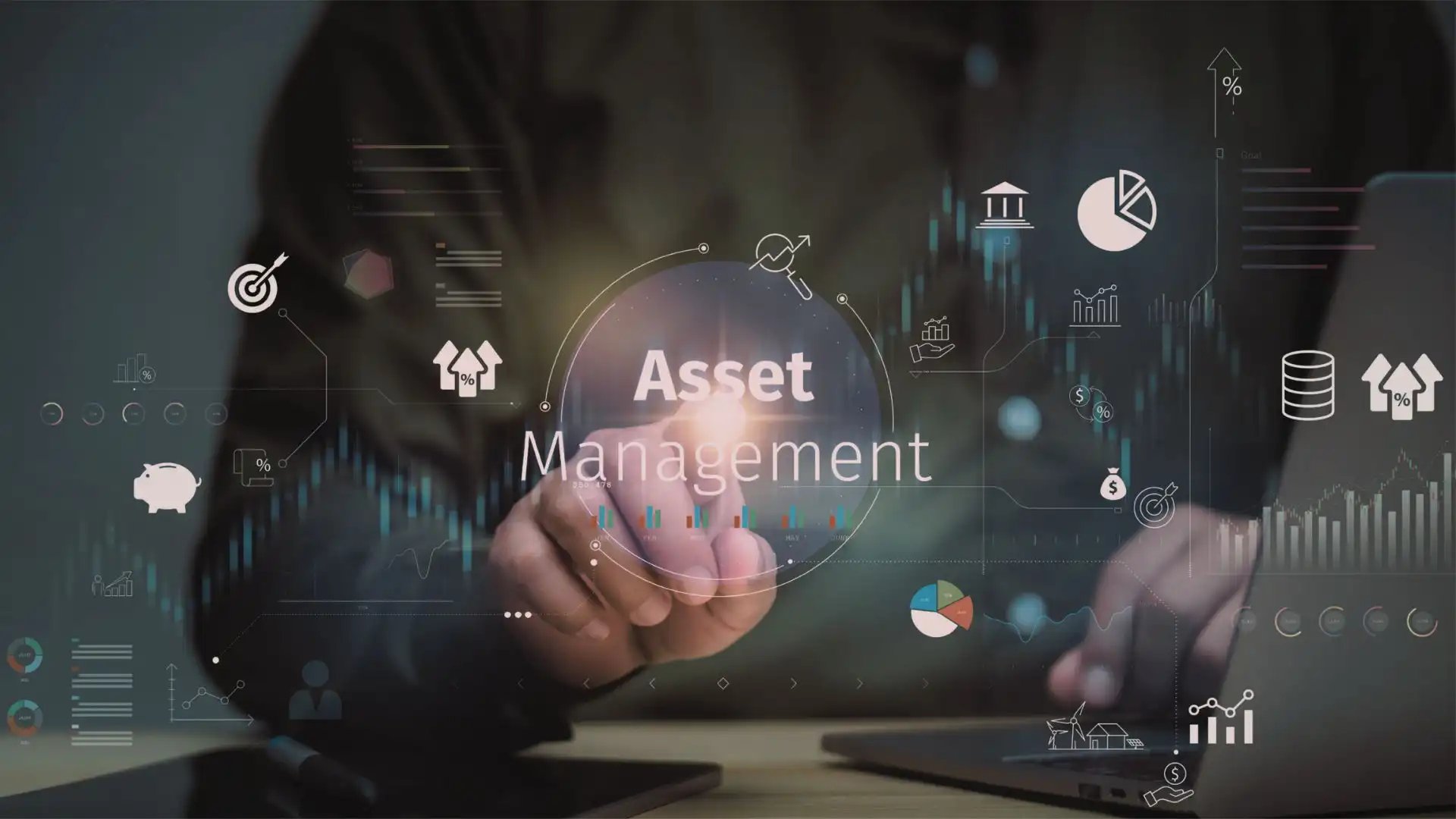
Asset Management can be translated as the management of assets (tangible or intangible) referring to the process of managing and monitoring them. The term asset management is extremely broad and encompasses both activities related to money and investment management and infrastructure management.
The overall goal is to maximize the value and potential of assets throughout their lifetime, along with their use and disposal. This also includes managing and maintaining the costs and risks associated with assets.
Asset management is widely used for several areas, starting from money management, financial investments, to the products that companies sell. Thus, a proper asset management system can make the product more readily available, cheaper, reduce shipping costs, and even make the manufacturing process easier.
The management and maintenance of a company’s assets is extremely important for its profitability and financial survival and stability. Products/Assets are some of the main advantages of a stable company and that is why they are extremely important.
Another type of managed assets
When we think of assets, many of us are used to thinking either only in financial terms, in the sense of investments or, at most, in the tangible assets managed by private companies. But public assets are also assets: streets, highways, parks, sewerage systems, district heating systems, water treatment plants, gas or electricity transmission facilities. The use of a system for managing these assets is fundamental to avoid interruptions in operation and keep costs at a low level. The efficient production of these types of assets depends on such a resource management system so that their price remains low.
Ways to manage assets
Currently we have various means of asset management, whether private or public. There are companies that offer specialized services in this regard but also software dedicated to this type of activity. Of course, the way of managing assets depends on many variables, such as the field of activity, the type of assets, their size and type, etc.
Regardless of the system used, asset management modes have some common characteristics:
- It optimizes the use of assets, manages their maintenance and the related cost. Thus, assets become reliable and possibly efficient.
- It reduces the demand for new assets and thus saves money.
- It uses demand management techniques and maintenance of current assets.
- It uses the concept of the asset’s life cycle: how much it cost, how much it is currently worth, where the asset is at any given time.
- Evaluates the cost ratio of maintenance/production/active use.
- It provides reports on the value of assets, along with the costs involved in maintaining them.
With an understanding of the existing forms of assets that can be managed and the means of managing them, you can make an informed decision on how to manage your assets so that you get the maximum benefits.