On the occasion of its 30th anniversary, the Adrem group aims to become the main Romanian player in the energy transition at national level by 2030, said Corneliu Bodea, CEO of the group, at EnergynomicsTalks. Specifically, the actions envisaged are structured on two key directions: the digitization of the energy infrastructure and energy efficiency.
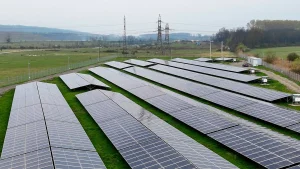
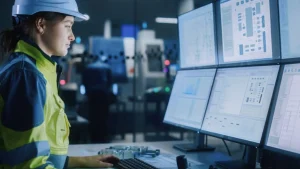
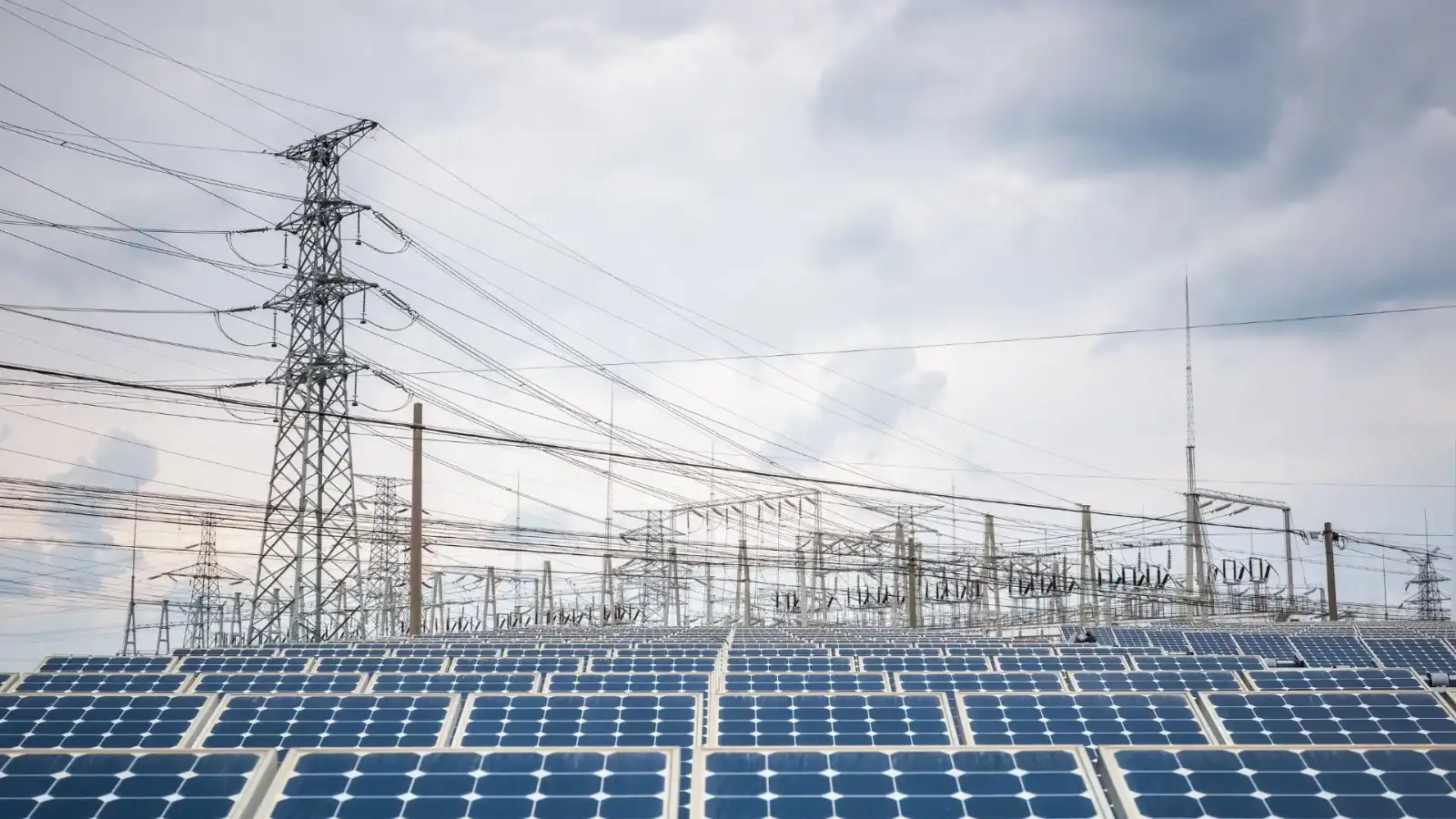
In the first category, Adrem includes software solutions, analysis, network management, but also involvement in the development of smart metering systems, from checking, installing and reading equipment, said Corneliu Bodea. The second, offering energy efficiency services, includes, according to Adrem’s strategy, photovoltaic projects for prosumers, but also the construction of small and medium-sized photovoltaic parks. “Our main target is the industrial area and municipalities, with solutions of 100, 200, to 400 kW, but we do not ignore the area of household prosumers either. We continue to develop energy efficiency products, such as heat pumps and small and medium-sized integrated solutions for energy management in the industrial and commercial environment,” said the general manager of Adrem.
Already from 2023, Adrem installs about 1MW in generation capacities from photovoltaic sources every month. “We aim to end this year with a capacity to install 2 MW per month. There is demand, we have projects. We need to develop, not necessarily the execution capacity, because we already have over a thousand electricians throughout the country, but rather the capacity to manage a large number of small projects throughout the country, with a CRM system, with after-sales services, assistance, etc.”
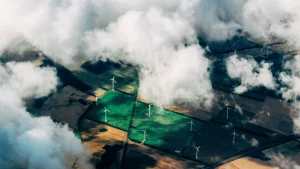
The development directions assumed by the Adrem group are the most important channels for the manifestation of the energy transition, a phenomenon that Corneliu Bodea considers not only beneficial, but a historic opportunity for Romania. “The moment of energy transition, of explosive increase in works for the energy transition, finds the Romanian energy infrastructure at an ideal moment, when it was necessary to rebuild an obsolete energy infrastructure, built at the end of the ’60s and ’70s. It is the optimal moment for the modernization of this industry, with the energy transition as an objective and benchmark.”
Corneliu Bodea insisted on a perspective that is less present in the public debate, but which he considers essential. The energy transition is a means by which humanity aims to achieve climate neutrality, to reduce the impact that human activity has on the environment. “This strategic objective of humanity involves going through less pleasant stages, including increasing energy costs for each citizen. Therefore, for the success of the energy transition, a conscious, voluntary, even involved political and social framework is needed. I am referring mainly to the population, to energy consumers, whether domestic or industrial, but also to the political factor, the one who has the responsibility to explain why the energy transition is needed. Otherwise, it will be facilitated only by the price factor, which can fuel social unrest and discontent, if not a serious economic crisis to which some companies cannot adapt,” Corneliu Bodea argued. “In my opinion, this is where the most work is done. The rest are rather technical issues,” which can be solved through entrepreneurial approaches, problem identification and resource management, he concluded.